In 2021, I attended my third and final Olympic Games with my husband by my side and with him wearing the very important hat of coach. I’ve talked about our athlete/coach relationship from my perspective in this blog:
But I decided it would be insightful to hear Jeff’s take on this dynamic.
We recently recorded a full YouTube video where he went into detail on his true feelings on coaching me (and my sister), and you can watch it here:
Here are some key takeaways of our very honest conversation:
1) Coaching me was one of the hardest things he’s ever had to do
I knew that Jeff took the job of coaching me seriously, and that he was fully invested in my success on the track, but I was a bit surprised to hear him say it was “by far one of the hardest things he’s ever had to do”.
At first I thought he was just being dramatic, then as he broke it down, I realized that there was a certain coaching mindset he had adopt that I had the luxury of not having to consider as an athlete. He talked about the challenges of coaching both me and my sister and how it actually was a lot harder than it looked, particularly because we were such different athletes.
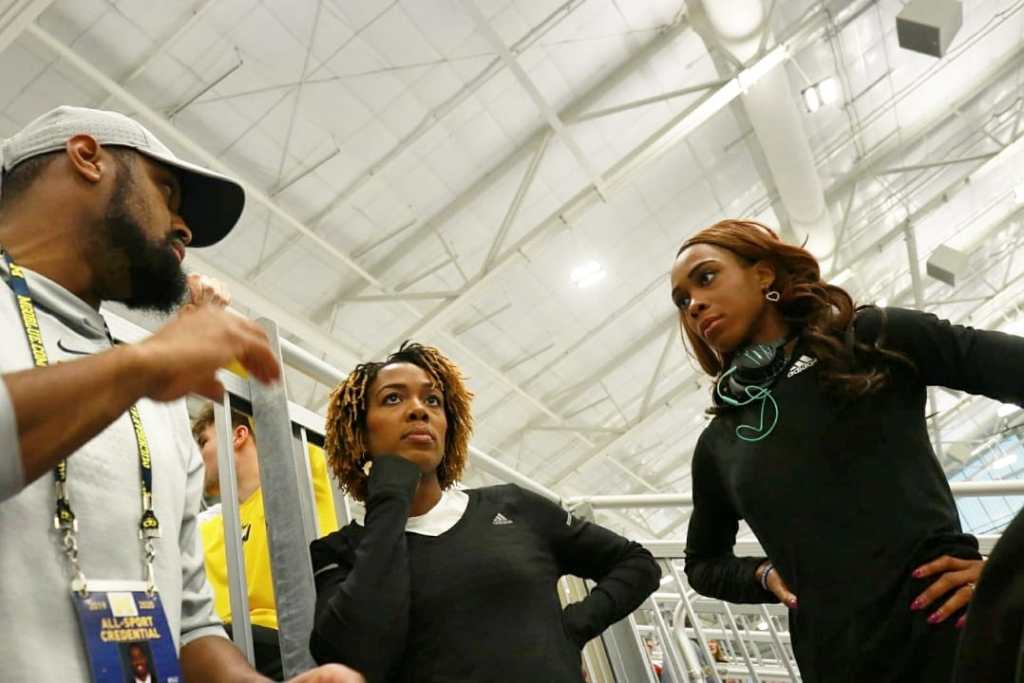
My husband has done some pretty hard things in the past (qualified for the Olympics, buried his father, earned a PhD) so to hear him describe coaching me in a similar way was not only shocking to me, but pretty eye opening as well.
2) He does not desire to coach again
It made me pause when Jeff very candidly said that he would never coach again because it made me feel like he truly didn’t enjoy the experience. But after asking him to elaborate on his response, he revealed that the time commitment is immense and that it’s not something he sees himself prioritizing again, unless it’s for his children years down the line.
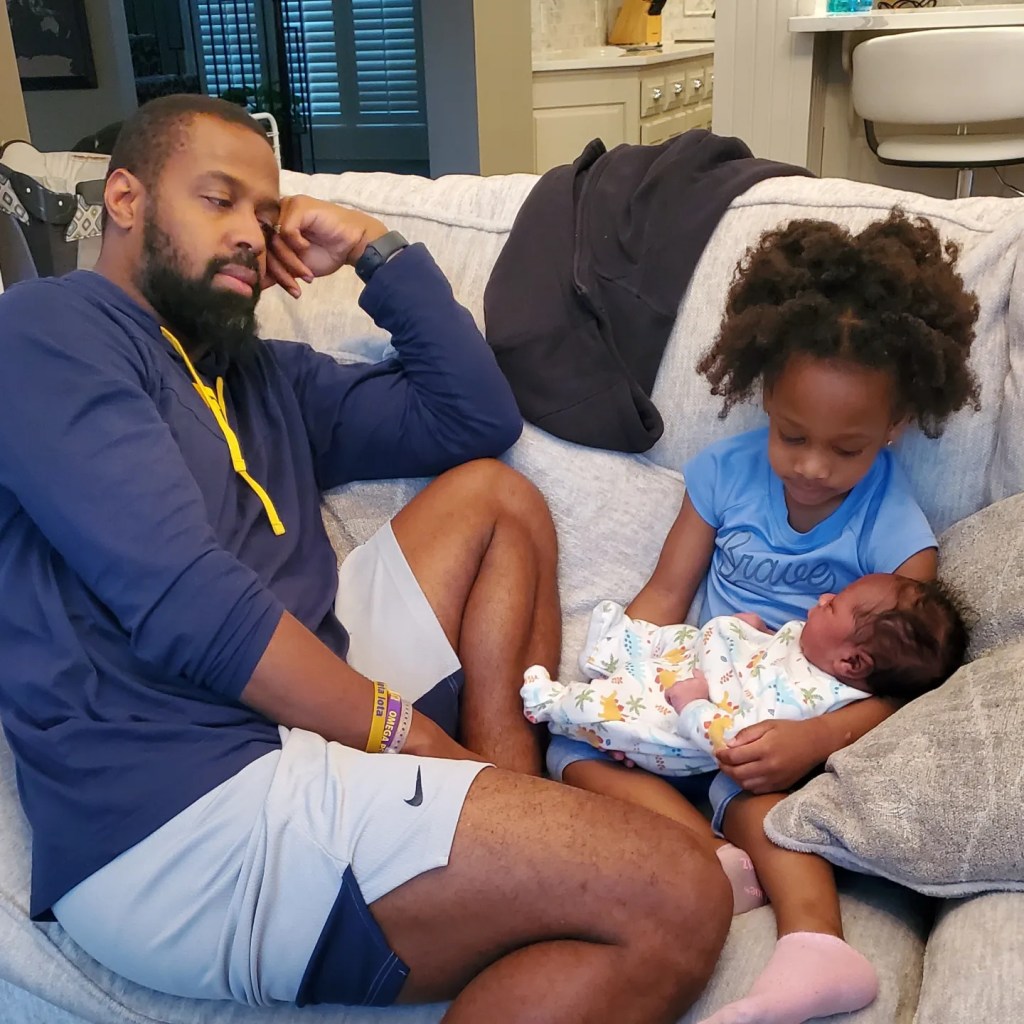
Knowing my husband’s professional goals and the desires he has to impact sport at large, I can understand his take on coaching athletes in this way. He loves sport and has always been passionate about it, and he ultimately wants to impact the sporting landscape from an administrative/leadership perspective for the benefit of numerous athletes at a time.
3) Although it was challenging, he enjoyed coaching me
When Jeff said with no uncertain terms that coaching me and my sister was hard and that he has no desire to do it again, of course it’s easy to believe that he didn’t truly enjoy the experience. And for all these years since the last Olympics, I kind of just assumed that coaching me left a slightly bitter taste in his mouth.
Until I just asked him directly if he actually enjoyed it.

And he said yes that in the end, despite the challenges, sacrifice, and time commitment that he really did enjoy coaching me and my sister. It’s funny that I had never actually directly asked him the question, and it’s also interesting to me how pleased I was to learn his true feelings.
4) He values the importance of mentorship
When Jeff coached me, he would consult the expertise of coaching greats Garfield Ellingwood and Mike Holloway (amongst others) for their input on workouts and approach to writing our program. He explained that their insight was useful and that he was committed to being the best coach possible, even if that meant being mentored by people with more coaching experience than him.
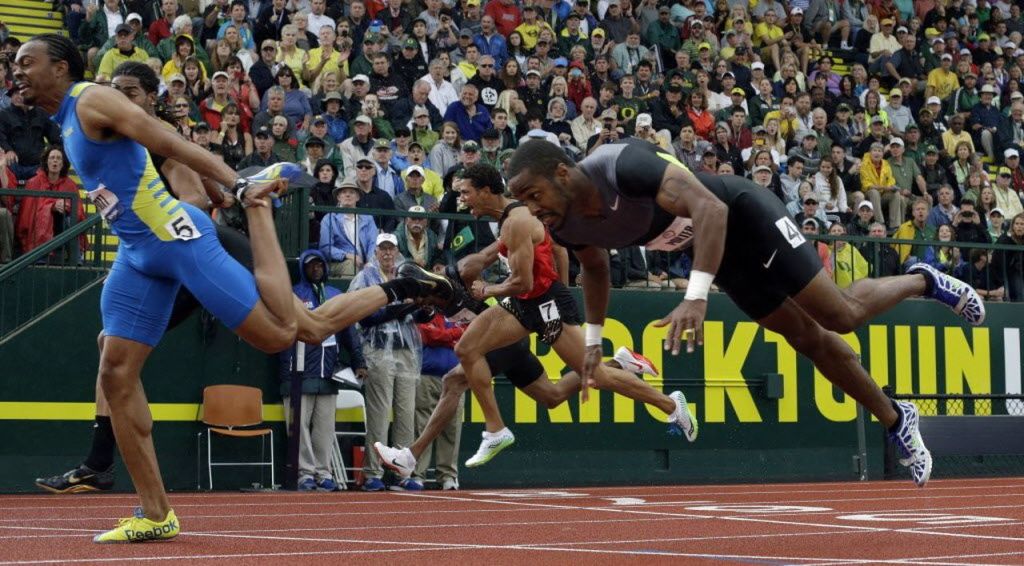
There is something to be said about the value of mentorship and the humility that must be accompanied to ask for and be receptive to help from others. Yes my husband was a seller athlete in his own right, and is considered a sports business professional, but he knew that in order for him to be best the coach he could be, it would be helpful to bounce ideas off of some of the coaching giants.
So that’s exactly what he did.
He was a better coach for it, and in turn, I directly benefited from his efforts.
5) Being a former athlete made him a better coach
Although this may seem like an obvious correlation, it’s not as direct as you may think. There are former world class athletes who wouldn’t make the best coaches (myself being one of them), and there are world class coaches that were very average athletes themselves. That’s because being a successful coach and being a successful athlete require different skill sets as well as different approaches.
Sure, some of the skills are transferable, and there is some overlap, but you can not assume that someone will be a good coach just because they were a good athlete.

In Jeff’s case he felt like the key reasons being a former athlete elevated his coaching skills was because he had a firsthand understanding of what athletes went through, he understood the track schedule, he had good working relationships with meet directors, and he knew what to expect at an Olympic Games. He also understood the importance of being coachable as an athlete, which directly correlated to him being coachable as a coach. This led to great relationships with coaches, who eventually became his peers, so he had direct access to their expertise and mentorship, which was invaluable.
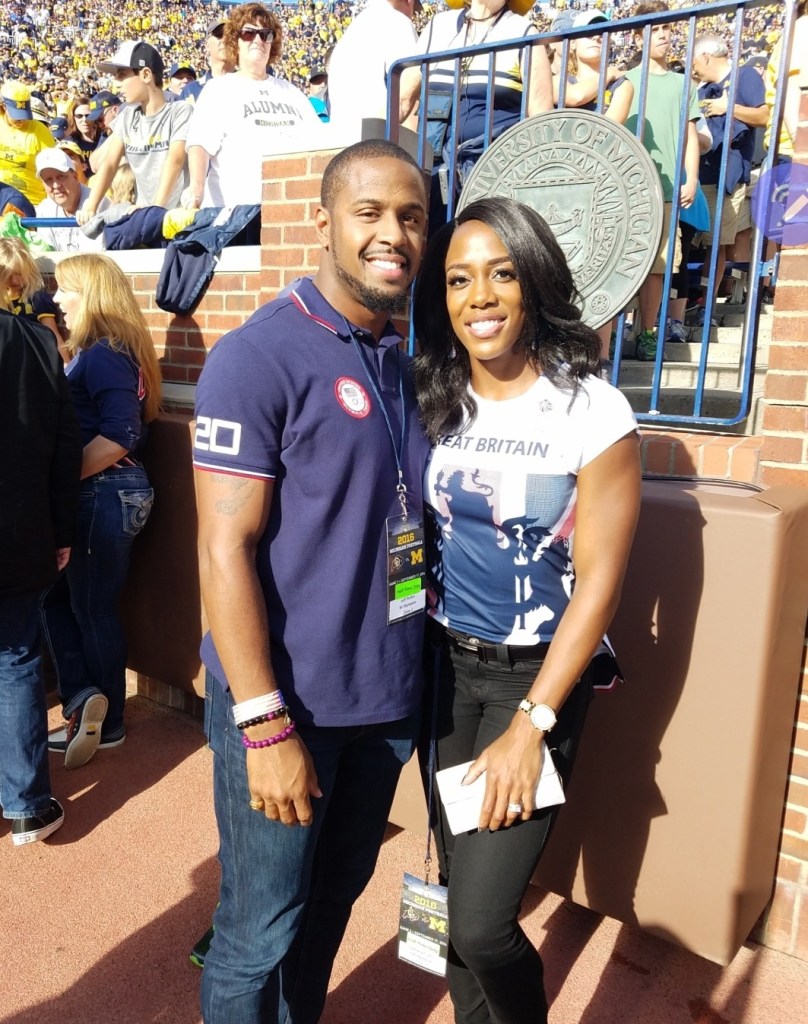
All in all, having Jeff as my coach was a period of time that I’ll never forget, and I’m grateful for his commitment to my success as an athlete. Having this sit-down conversation and getting his unadulterated opinion on coaching me was a moment that I didn’t even realize I needed.
Not only did I gain insight on his true feelings, but it also gave me the space to take a trip down memory lane. Reflecting on the journey of Jeff coaching me reinforced how important it is to choose your spouse well because that relationship can have a lasting impact on all areas of your life.
I mentioned it in the video but I also want to say it here that I’m very grateful to Jeff for taking a chance on me & for making a commitment to help me achieve my dream of competing in my third Olympics.
Here’s to giving people the flowers they deserve!
—
TOP
- Sisterlocks Are a Vibe… But Let’s Talk About the Fine Print. 5 Truths To Consider
- Holding Grief and Joy at the Same Time: A Year That Changed Me Forever
- Embracing the Awkward Phase of Sisterlocks: Trusting the Journey to Your Crown
- God’s Faithfulness in Full Bloom: Welcoming Our Third Blessing
- 5 Meaningful Ways to Support a Man During Men’s Mental Health Month and Beyond
 Dr. Tiffany Ofili Porter