As an athlete who thoroughly enjoyed competing and is now enjoying retirement, I hope to show athletes that walking into a new phase in life doesn’t need to be met with fear or anxiety.
Here are twenty lessons I’ve learned in retirement that no one really told me:
1) Nothing can quite compare to the thrill of competing
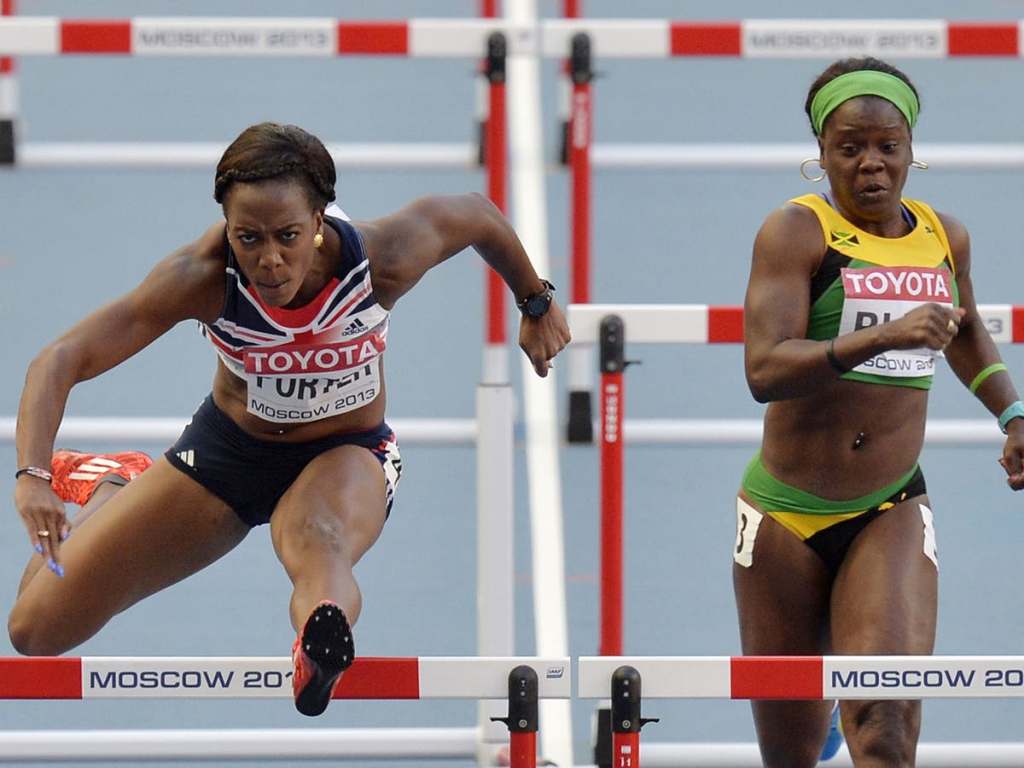
Nothing. Nada. Accept it, embrace it, and move on. Other things will still bring you great joy & fulfillment, but there’s nothing like the thrill of competition.
2) The “fast money” aspect of sport is not normal
Understand that the idea of earning $10,000 for a 12 second race may be normal in athlete circles, but it’s not the reality for most of the working world. Obviously there’s money to be made post sports, but how you earn your money will probably look very different from what you were used to as an athlete.
3) It may be difficult to remain regimented with working out
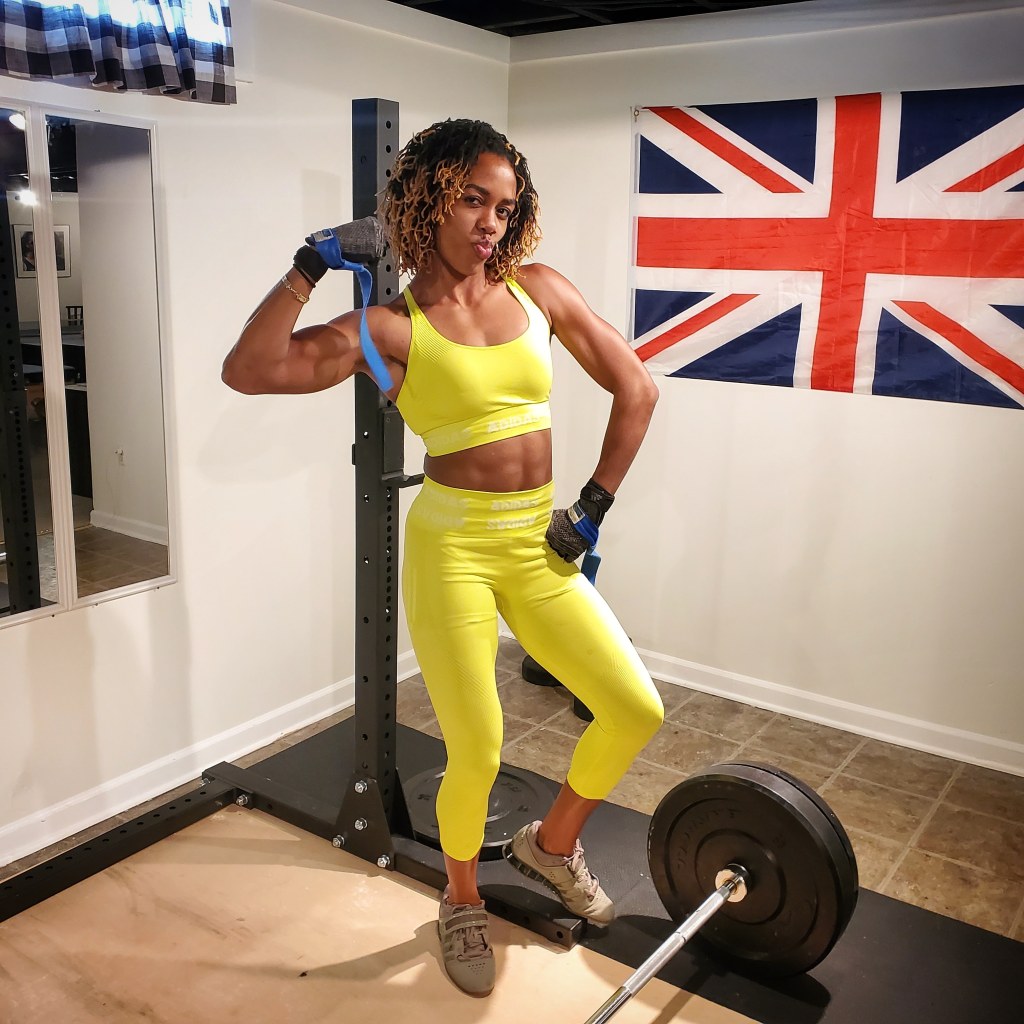
As an athlete, working out is a built in key part of your day to day. In retirement, you have to intentionally make room for it.
4) Yor ability to inspire others may look different
Being an athlete gives you a special platform and visibility that may decrease once you retire. Although your ability to impact several people at once may lessen, it doesn’t mean your ability to make an impact disappears.
5) You will appreciate your sports accomplishments more after stepping away
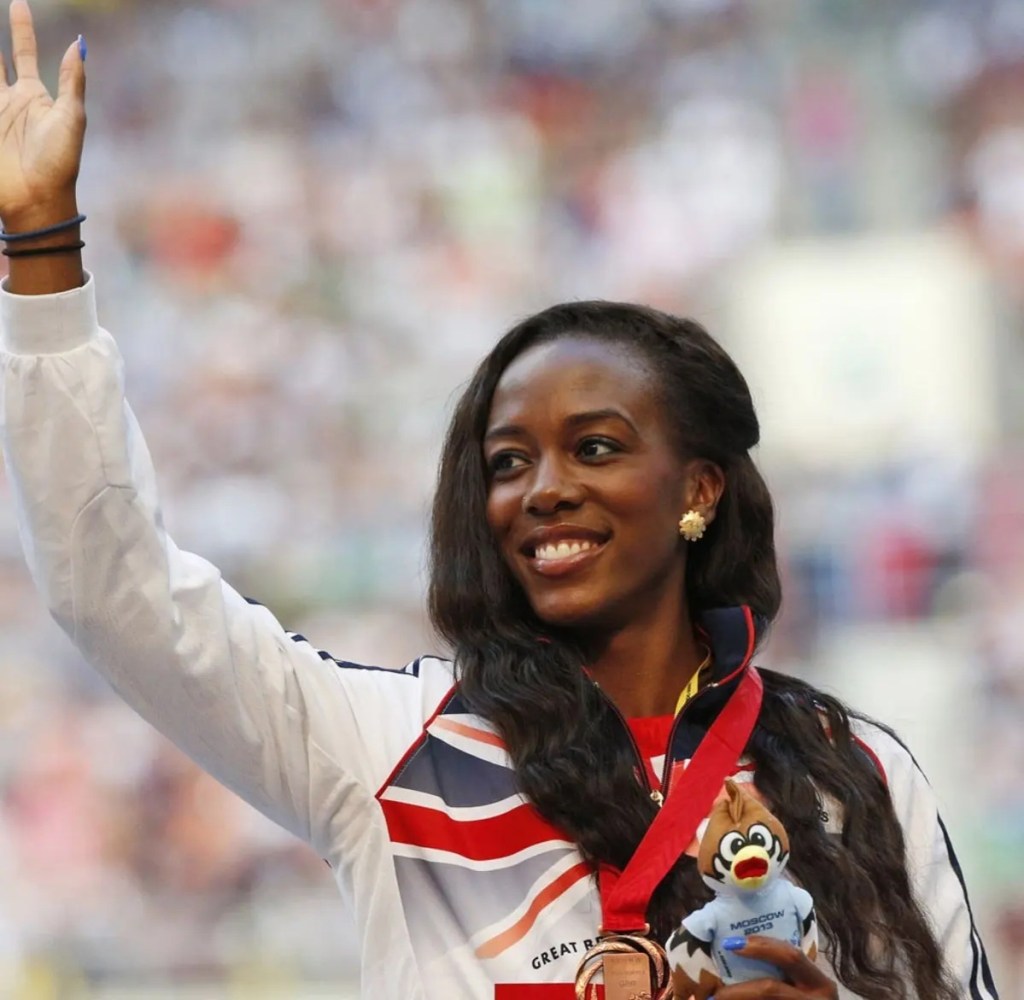
Being an elite athlete is remarkable but while you’re competing, your association with fellow athletes may slightly diminish your appreciation for just how special it is. When you retire and your circle expands to more non athletes, you appreciate that being the top 1% of the 1% of athletes is not the norm for the majority of people.
6) You realize that sport is not life or death
Sports are a pivotal part of society and it has the unique ability to unite people. It serves as entertainment, can spread joy, and a host of other positive aspects. With that, however, in retirement you’ll realize that there’s so much more to life than sport. It’s not life and death, even if it felt that way while you were competing.
7) It may still be difficult for people to see you as more than an athlete

Even in retirement you will find that you have to remind people that sports is what you did and is only one aspect of who you were. You may assume that this would no longer be a conversation once you walk away from sport, but it still happens well into retirement.
8) You may struggle with adjusting to your new identity
When you’re an athlete, you dedicated so much of your life to perfecting your craft and the lifestyle becomes a huge part of who you are. Once you retire, you’re confronted with the task of identifying who you are outside of sport and establishing an updated identity. This is true whether you were an athlete for one year or twenty.
9) You will have days where you miss sport immensely

It’s inevitable to miss something that you committed so much time to when you walk away from it, and these feelings can come in waves. I tend to miss sport the most during the championship portion of the season, because this was my favorite part of sport when I was competing. Missing sport should be looked at as a sign that you truly loved it and not as a sign that closing that chapter was the wrong decision.
10) Coming out of retirement is a thought that will cross your mind at least once
Even though I love retirement, like clockwork around the championship part of the season the “what would me training again look like” thoughts creep back in. And as soon as they do, I snap out of it & remind myself that all good things must come to an end. I then reminisce on the positive memories I have. Missing sport should not be confused for the sole sign to come out of retirement or that retirement was a mistake.
11) You may find yourself envying the lifestyles of the current athletes
Even if you’re like me and had a fulfilling sports career with no stone left unturned, you may still find yourself envying the current athletes and all that comes along with the lifestyle. Human nature is funny that you tend to want what you don’t have, even if you’ve had it in the past. Do yourself a favor and romanticize your own life, and no one else’s.
12) It may be hard to hear someone refer to you as a “former” athlete
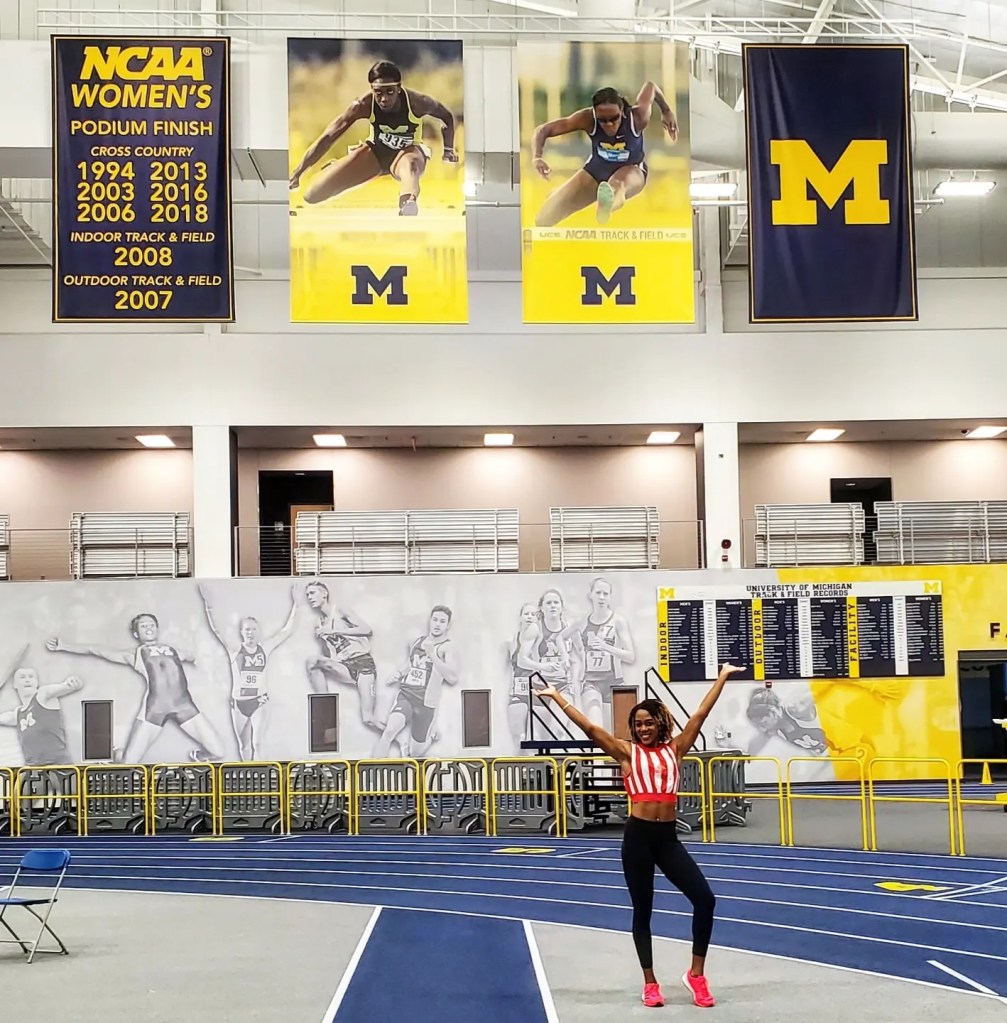
In your heart you may feel like “once an athlete, always an athlete” so when you’re called a “former athlete” it may cause you to pause. Once you remember that every athlete no matter how good will eventually have to retire from sport, you’ll realize you that you’re in good company.
Side note: saying “former Olympian” is incorrect because it’s a title you earn that can’t be taken away from you similar to a PhD.
13) The competitive nature doesn’t just disappear overnight
Although nothing can quite replace the thrill of actual sports competition, you may find yourself creating friendly contests to satisfy that desire. Whether it’s recording how many push-ups you can do at one sitting or challenging your partner to a game of “who can clean up the fastest”, your competitive juices don’t automatically stop flowing when you retire.
14) You will not enjoy consuming the sport as much as you did competing in it

Through years of hardwork and commitment to sport, most athletes tend to become fans of the sports they competed in. It’s satisfying to watch the current athletes perform in your beloved sport, but understand that being a spectator is a much different vibe than being a participant.
15) You will have to work harder than you realize to keep the pounds off
As an athlete, you sometimes forget that many non-athletes have to actually fit working out and eating healthy into their routines. Once you retire, it takes a little more planning and effort to maintain a healthy weight.
16) You will appreciate the relationships you built more than before
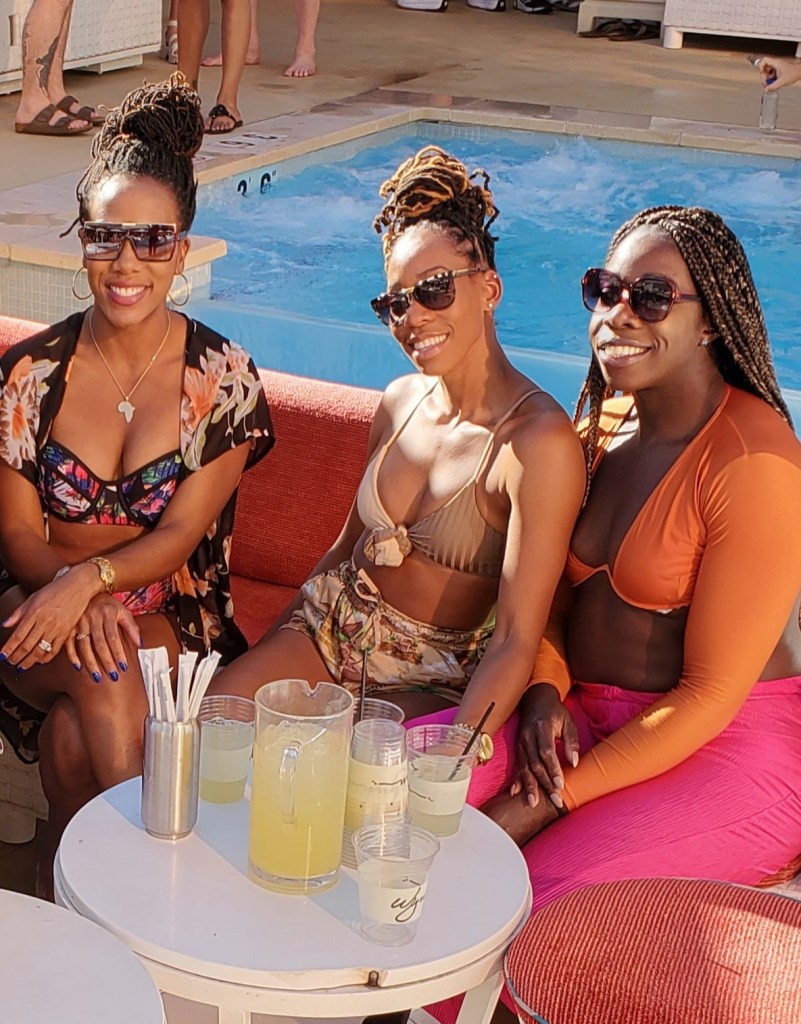
Sport has a unique way of bringing different people from all walks of life together and sometimes the best relationships are created as a result. Once you step away from sport, you will thank it for allowing you to meet great people and build friendships that you’ll keep well into retirement.
17) Your financial planning/budgeting skills will be put to the test

For a lot of athletes that were paid well while competing, it’s easy to overspend without being diligent about saving and investing your money. It’s even worse if you didn’t build a good foundation of being financially responsible while competing and you try to maintain a lavish lifestyle into retirement. Your ability to “act your wage” will be put to the test while you’re competing, but even more so in retirement.
For current athletes check out this blog on how to plan for your future: Will You Be Prepared For The End?
18) You’ll feel better equipped to handle some of life’s disappointments
No matter how good of an athlete you are, dealing with disappointment is inevitable and learning how to overcome it is a skill that with be useful in retirement. Knowing that you’re well equipped to conquer obstacles will give you the confidence you need to deal with setbacks in the real world.
19) The people who genuinely love you will stick around
A lot of athletes fear that retirement is lonely and isolating, but when you surround yourself with people who love you for you and not for your success in sport, you’ll have them in your corner well into retirement.
20) You can be sad yet excited about retirement simultaneously
Walking away from a sport that you dedicated so much to will be an emotional period for most athletes. The emotions can range from sadness, apprehension, happiness, excitement, frustration, and several others in between. It may seem weird but it’s very possible to experience sadness about closing one chapter and excitement about opening a new one at the same time.
As the old adage of “every dog has his day” suggests, retirement from sport is a reality that every athlete must face at some point. Sports retirement shouldn’t be met with trepidation, but with a peace of mind from the preparation that’s been done. When that time does come, embrace the unknown, lean into the change, and trust it will all work out in the end.
—
TOP
 Dr. Tiffany Ofili Porter
This is perfect and timely. I’m currently prepping a talk on retirement from sport, so I’m glad to see I’m on the right page! And number 15 made me chuckle. That’s why I’m on a ‘fun fitness’ campaign lol but just be tripley difficult with two kiddies!!
LikeLike
Oop. This is Abs btw x
LikeLike
Thanks for sharing Abs! I hope your talk on retirement went well! And can I join you on your fun fitness campaign? I need all the accountability I can get lol
LikeLike