On March 30th, 2025 my heart was shattered with the passing my dear dad, Dr. Felix Azikiwe Ofili.

Life as I know it would never be the same, and here I am nearly 3 weeks later, and I’m trying my hardest to adjust to my new normal, without my beloved “Azeeky Zeeky.”
Losing someone so important to you is a grief like no other. It’s losing not just a parent but a protector, a guide, a steady hand that often shaped who we are. Whether sudden or expected, the absence left behind can feel vast, heavy, and, at times, unbearable. If you find yourself struggling with the pain of such a loss, know that you are not alone — and that healing, while slow and deeply personal, is possible.
As I’m maneuvering this journey through grief, I’ve complied a list of 6 ways I’m implementing to help me, and I hope it can help someone else, too.
1. Allow Yourself to Grieve Fully
Grief is not a straight line. Some days might feel manageable; others may feel like starting all over again. I’ve described it as feeling “bipolar” for lack of better terms because one minute I’m fine, and then the next minute, I’m crying uncontrollably from the slightest trigger.
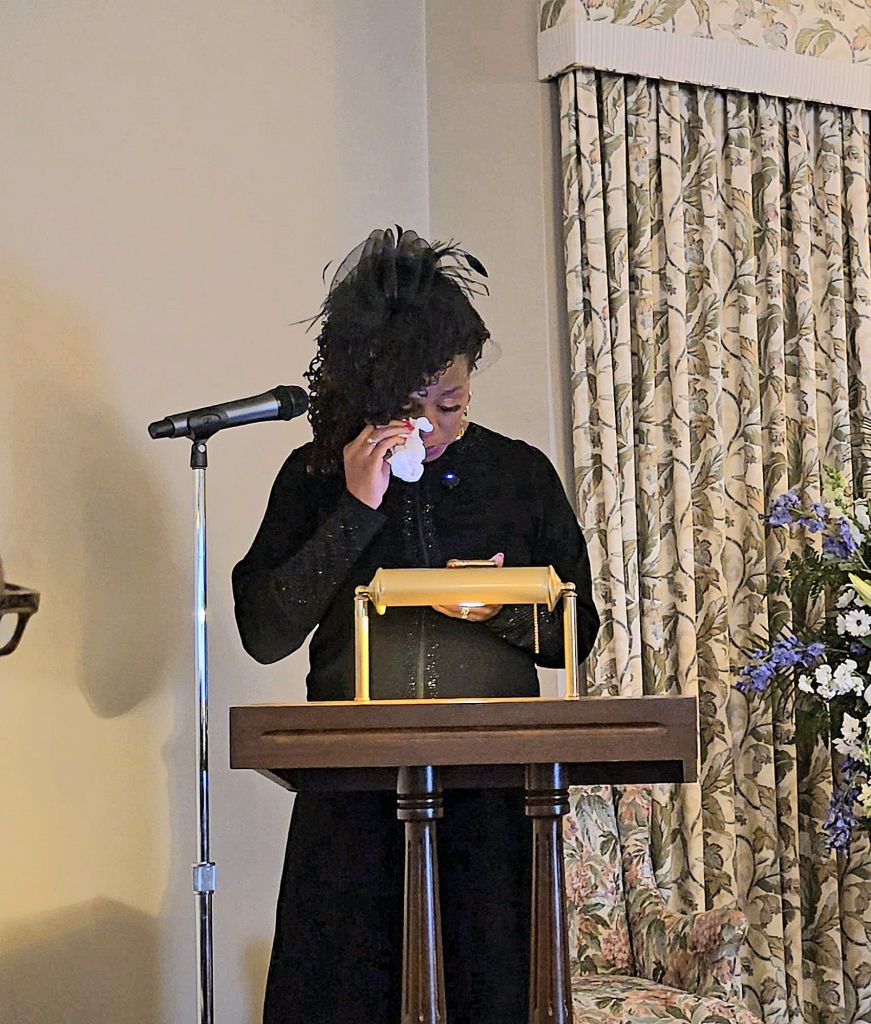
I’m learning it’s important to allow myself to feel everything — the anger, sadness, confusion, and even moments of peace or laughter. Grieving is not weakness. It is the process of honoring the love my dad and I shared.
Give yourself permission to cry, to sit in silence, to talk about him, or even to scream if you need to. I’ve been told that suppressing grief doesn’t erase it; it only delays healing; I’m holding onto that.
2. Keep His Memory Alive
Remembering my father doesn’t mean I am stuck in the past — it means I am carrying his spirit forward with me. I plan to begin simple actions if/when it feels right: lighting a candle on his birthday, cooking his favorite meal, listening to his favorite songs, or simply talking to him in my heart when I need guidance.
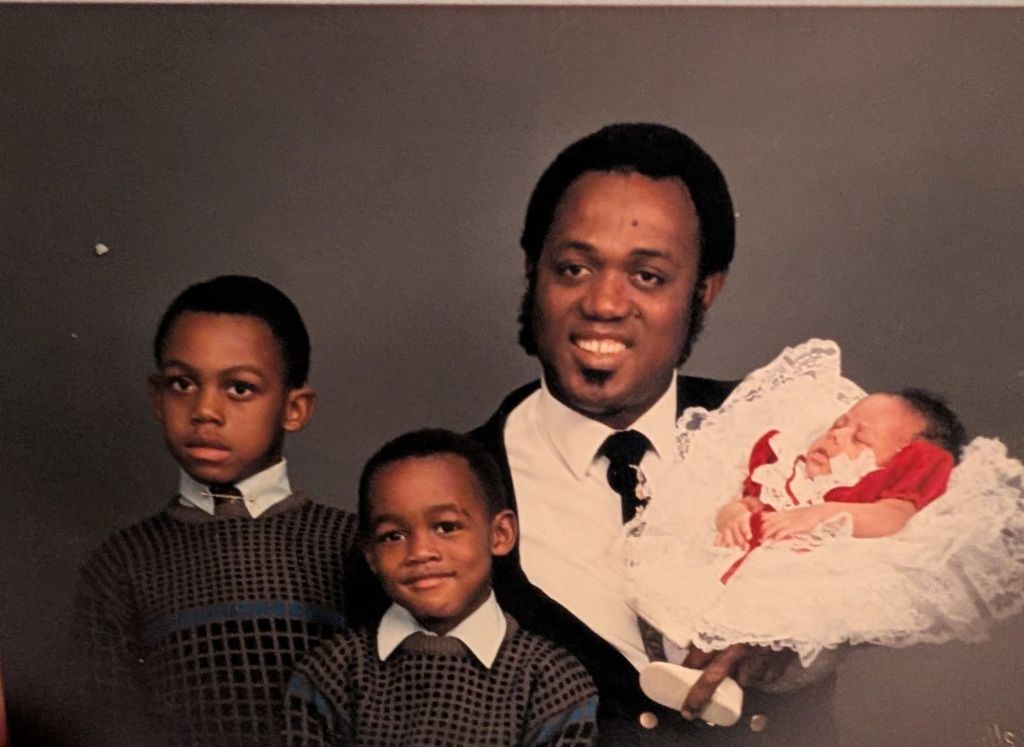
I’m finding that sharing stories about my dad with family and friends can also be comforting. Memories are the threads that keep the connection alive even after death, so I’d encourage anyone else on their grief journey to consider trying the same thing.
3. Seek & Accept Support
Grief can often feel isolating, but you don’t have to walk through it alone. Talk to those who understand your loss, whether it’s close friends, family members, a support group, or a counselor. My key support during this time has been my husband (who lost his father in 2008) and my sister, both of whom are always happy and willing to be a listening ear when I need it the most. Sometimes, just hearing “I understand” from someone who’s been there can be a balm to the heart.
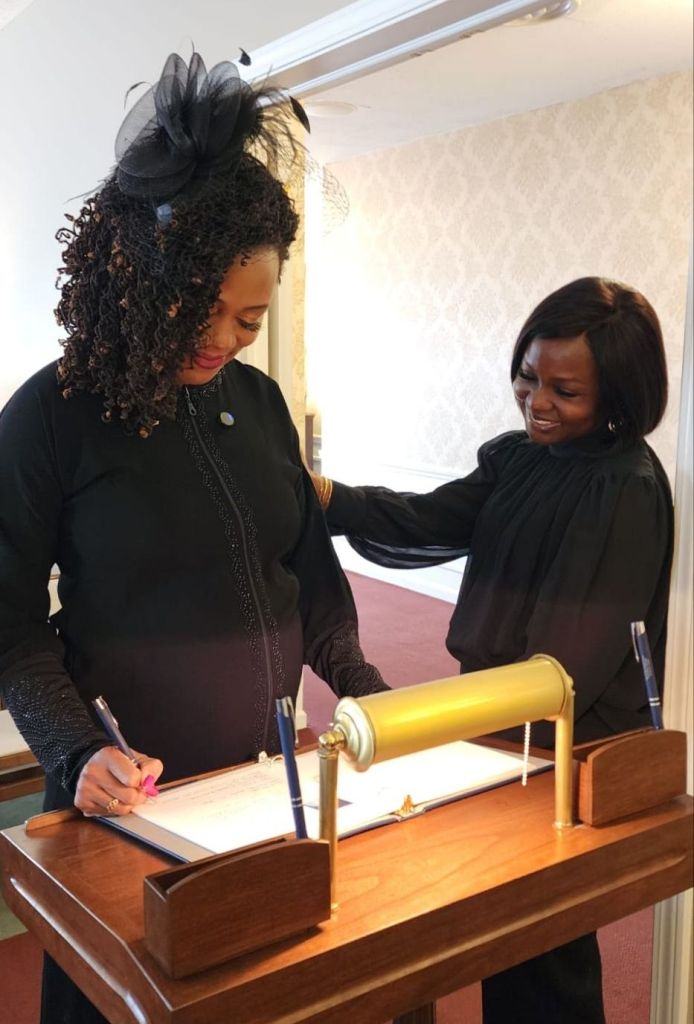
Don’t be afraid to ask for help when you need it — whether that’s someone to sit with you in silence or someone to help with daily tasks when you’re overwhelmed. And graciously accept the support when it’s offered.

This reinforces the importance of community & why cultivating friendships is important because during these tough moments when you show up for others, you’ll appreciate them doing the same for you. Huge shout out to my village, who has been showing up and showing out for me and my family during this hard time. The support has been appreciated from the bottom of my heart.
4. Find Ways to Express Your Emotions
Sometimes, words are not enough. Art, music, writing, and even physical movement like walking or yoga can help process the depth of emotions. I honestly have a lot of room for improvement in this area, and I’ve been told that these alternate methods for coping with grief can be incredibly helpful. Yet I struggle to get started. My goal is to implement them into my routine in a way that feels right for me.

Consider writing letters to your loved one, creating a scrapbook, or simply journaling your thoughts. These are private, sacred spaces where you can connect with your grief without judgment and at your own pace.
5. Be Patient with Your Healing
There is no timeline for grief. Society may imply that you should “move on,” but grief reshapes us — it doesn’t disappear. Over time, the sharpness of the pain may dull, but the love remains, integrated into who you are becoming.
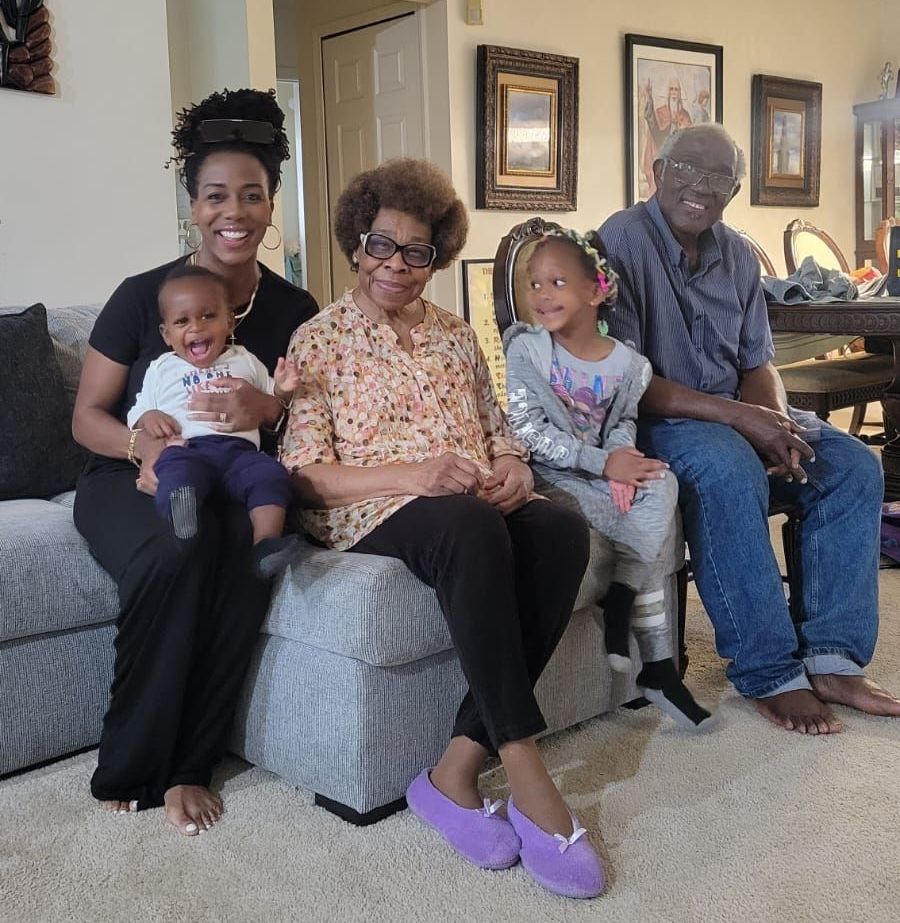
I’ve accepted that I will forever have a new baseline, and my new normal is going to take time to adjust to. Healing doesn’t mean forgetting. It means learning to live in a new way, carrying both the love and the loss with you.
6. Honor His Legacy
I’ve decided that one of the most beautiful ways to cope is to live in a way that would make my father proud. Whether it’s upholding a value he cherished, pursuing a dream he believed in for me, or simply being kind and strong in the way he taught me, my goal is to honor his legacy richly.
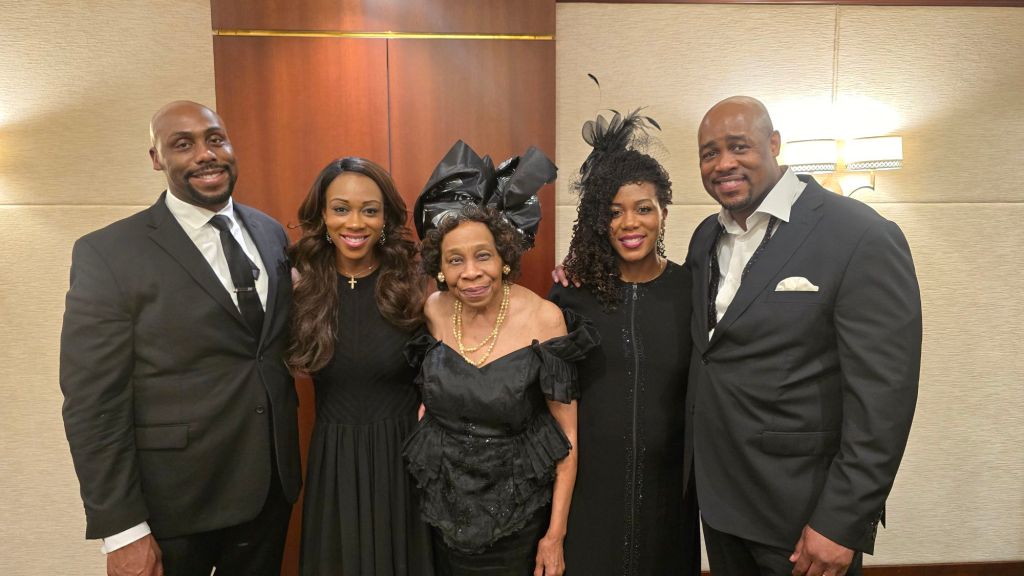
Whatever grief looks like for you, remember that by honoring the legacy of your loved one, you become a living testament to their life and their love.

Grieving a beloved father is a journey, not a destination. Some days will be heavier than others, and that’s okay. Your grief is a reflection of your love — vast, deep, and enduring. As Im striving to be gentle with myself during these moments, I encourage you all to do the same. As you navigate the tides of sorrow, trust that, with time, the ache will transform into a quiet, steadfast love that never fades.
I believe deeply that my father’s love is with me always, and I believe the same for anyone going through something similar.
You are not alone, and we are in this together!
To watch the funeral/celebration of life that we threw for my dear Father in Michigan, you can click below:
—
TOP
 Dr. Tiffany Ofili Porter